
Living With the System — Once It's Packed, Where Does It Go
Getting your bags packed is the first step. Where you keep them and how you maintain them is what actually determines whether they're ready when you need them. Here's how we think about it.
One Place. Always.
Keep everything in one location, not split between the garage, a bedroom closet, and the back of a truck. If something happens and not everyone is home, whoever is there needs to be able to grab everything without a search. One location means one less thing to think about when you're already under stress.
That location matters too. The garage feels like the obvious answer for big bags, but if your duffels contain food, medications, or anything heat-sensitive, the garage is the wrong call. Summer heat in a closed garage will shorten the shelf life of your MREs, degrade medications, and break down gear faster than you'd expect. A climate-controlled room or closet inside the house is always the better choice.
And keep it genuinely accessible. A closet shelf works great until you stack holiday decorations, luggage, and sports equipment in front of it. Your emergency bags should be the easiest thing to reach in that space, not the hardest. If someone has to move three boxes to get to the bags, that needs to be fixed today.
Use the ID window on each duffel to label exactly what's inside: FOOD, MEDICAL, CLOTHING, TOOLS. Anyone in your household should be able to walk to that closet, read the windows, and grab the right bag without asking anyone anything.
Make It a Family System, Not a One-Person System
This is the part most people get wrong. One person builds the system, packs the bags, and knows where everything is, and nobody else in the house has any idea. That's not a family emergency system. That's one person's emergency system that everyone else happens to live near.
Everyone in the household should be part of building it. Not because you need the help, but because familiarity with the gear is what allows someone to act confidently when they're the only one home. If your spouse or your teenager has never opened the bags, doesn't know what's in them, and has never touched the ruck or the SealLine bags inside, those bags might as well not exist for them in an emergency.
Build it together. Go through the gear together. Let everyone handle it, ask questions, and understand what each bag is for. Run a practice grab once. Pick a random evening, tell everyone they have ten minutes to get the bags to the front door. You'll learn more about gaps in your system in those ten minutes than in any amount of planning.
A few things that make the whole family more comfortable with the system:
- Kids, especially, give them ownership of their own bag. If they helped pack the assault pack with their clothing and personal items, they know it, they trust it, and they'll grab it without hesitation.
- Walk everyone through the ID windows. Make sure every family member can read the labels and know which bag they're responsible for moving.
- Keep the location consistent. Never move the bags without telling everyone. The system only works if everyone knows exactly where to go.
Everyone Preps at Their Own Level, and That's Okay
Not every family member is going to approach this the same way, and that's completely normal. One person in the house may want to prep for extended grid-down scenarios. Another just wants to be ready for a three-day power outage. Some people find the whole topic stressful and would rather not think about it too deeply.
The goal isn't to get everyone equally enthusiastic. It's to get everyone on the same page about the basics. Where the bags are. What's in them? What to do if they need to grab them alone. That's the minimum, and it's achievable with almost anyone regardless of how they feel about prepping in general.
Meet people where they are. If someone in your household is only comfortable with basic emergency readiness (storms, power outages, a few days of food and water), that's a completely valid starting point, and a system built around it covers the most likely scenarios anyway. The gear we use works equally well for someone prepping for a hurricane as it does for someone building a more comprehensive long-term system. Start with what everyone agrees on and build from there.
Keep It Ready as the Military Does
The military standard is simple: your gear is always clean, always ready, and always where it's supposed to be. When you come back from a field exercise, you don't throw your ruck in the corner and deal with it later. You go through it, clean it, replace what was used, and store it ready to go again. That standard exists for one reason. When you need your gear, there is no time to fix it.
Apply that same thinking at home. The prep community has a saying that covers this well: two is one and one is none. Always have redundancy, always have backups, and always know that what you have is in working order. A bag that's packed but has expired food, dead batteries, and a broken zipper is not a ready bag.
Rotating Food and Medical Gear
MREs have inspection dates printed on them. Check them. Plan to go through every bag at least once every 12 months at a minimum. If you use MREs on a camping trip or during a drill, replenish them before the bags go back into storage. Don't assume the bags are fine because you packed them two years ago and haven't touched them since.
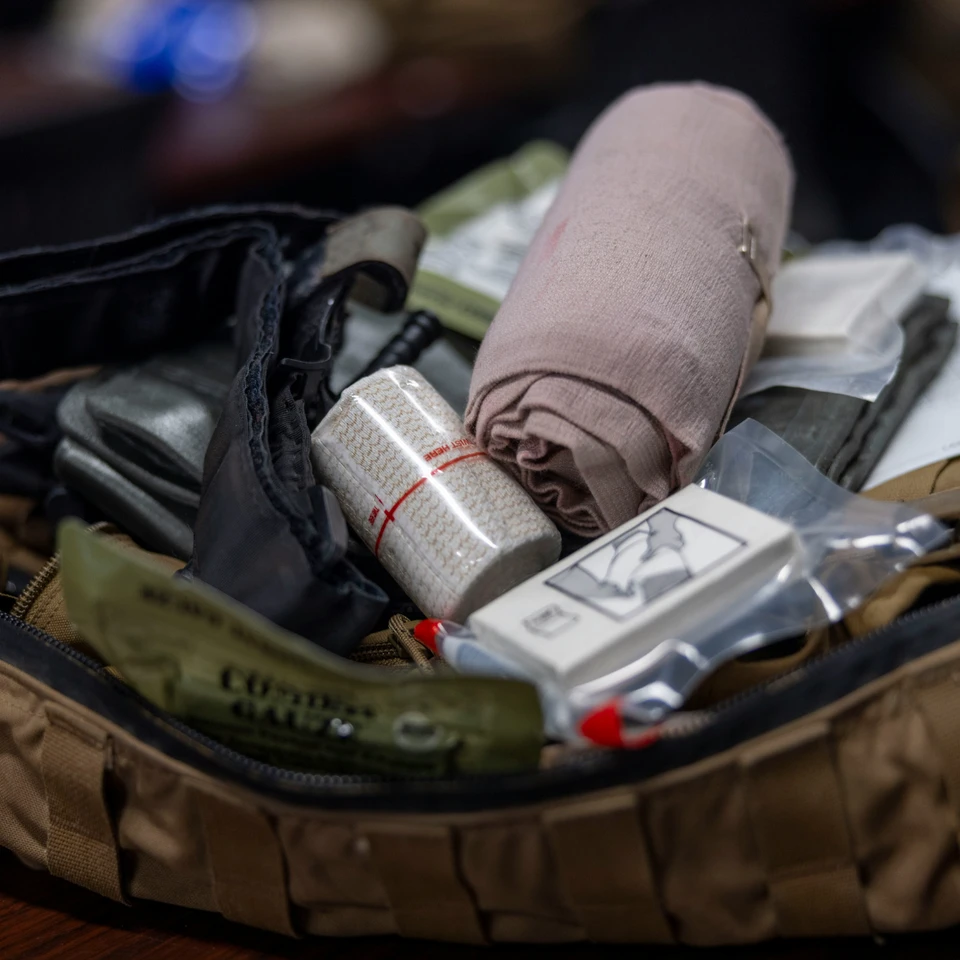
Medical gear follows the same rule. Medications expire. Bandages and tourniquets have shelf lives. Antiseptics dry out. Go through the medical SealLine every year, pull anything expired, and replace it before the bag goes back. The worst time to discover your trauma kit is incomplete is when someone needs it.
Check Your Bags Before Every Season: Know Your Dates
Set a calendar reminder. Don't rely on memory. Based on where you live, here are the dates to build your inspection schedule around:
- Atlantic Hurricane Season: June 1 through November 30. Check your bags by late May.
- Gulf Coast Hurricane Season: same window, June 1 through November 30. If you're in Florida, Louisiana, or Texas, this is your primary threat calendar.
- Pacific Hurricane Season: May 15 through November 30 for the Eastern Pacific.
- Tornado Season, Southern States: February through June is peak season across the South and Southeast.
- Tornado Season, Midwest / Tornado Alley: April through June is peak, though activity runs March through August.
- Wildfire Season, Western States: May through October, though, as recent years have shown, significant fires can happen in January and February in California. Check your bags in early spring.
- Winter Storm Season, Northern States and Midwest: October through March. Check bags in late September before the first storms hit.
If you're in a region with multiple threats (Florida deals with hurricanes and summer tornadoes, the Pacific Northwest deals with wildfires and winter storms), pick the earliest season start date and use that as your annual inspection trigger.
Not sure which bags are right for your situation before you start storing them? The Best Bags for Emergency Prep, and How to Pack Them Right.
MILITARY GEAR GUIDES

How to Prepare for an AI Disruption
Prepping for an AI disruption takes the same two things as any emergency: gear for the first couple...
Army Navy Outdoors: A Genuine Military Surplus Online Store
Revised October 2026 Army Navy Outdoors is a military surplus store. Not a tactical brand. We buy g...
How to Ship to a Military Base Address and not get it returned
This guide comes from our experience and frustration fixing countless addresses, so it gets to the p...
Can You Use Surplus FR Clothing for Fire Resistant Work?
Most people asking about surplus FR want to know one thing: can I wear this instead of paying three...

ACU Camo (UCP): Why the Army's Most Hated Pattern Is the Best Value in the Surplus Bin
This is the ugliest camo the Army has ever fielded. It's also one of the best values on our shelf. H...
Surplus Ammo Cans: What the Rust Means and How to Check One Before You Buy
Every surplus store sells ammo cans, and every prepper and shooter buys them. So most of what's writ...