
Which BDU Pant Should You Buy?
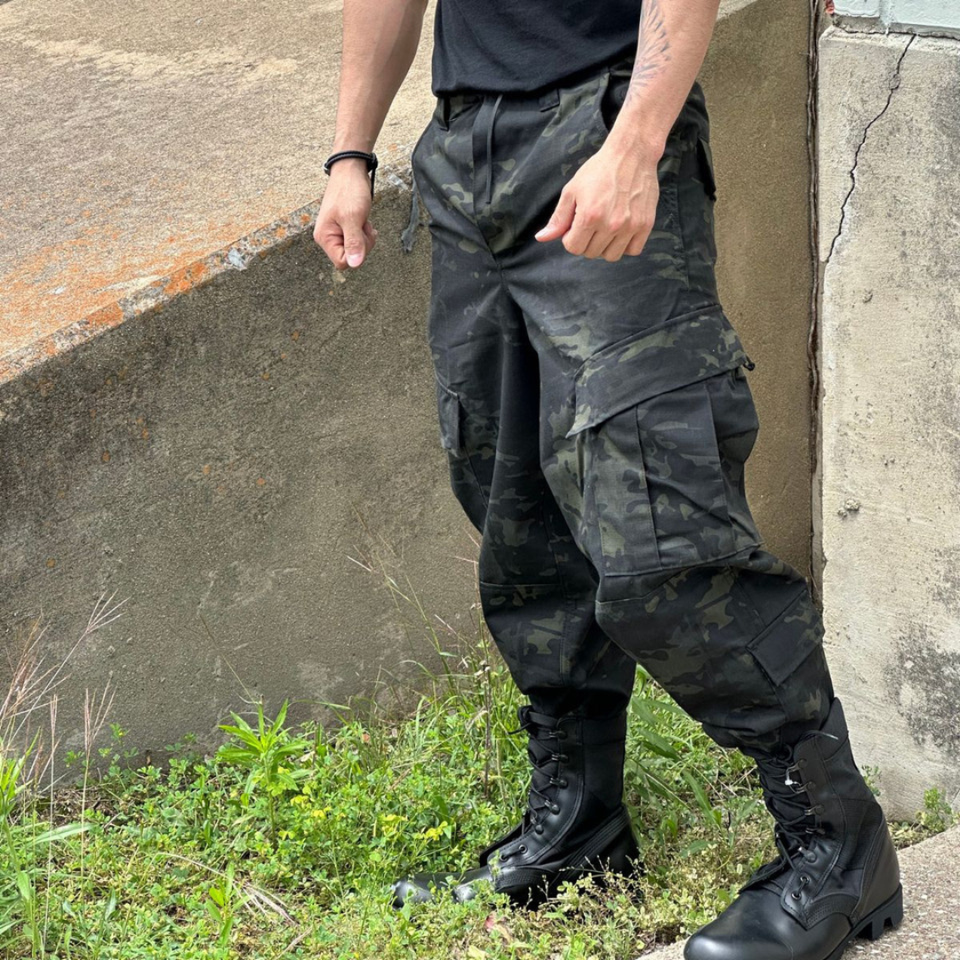
What are the best BDU's to buy? The BDU is one of the simplest pants ever made. Six pockets, reinforced knees, room to move, built to take a beating. The hard part isn’t the pant. It’s the wall of versions staring back at you when you go to buy a pair. Cotton, poly-cotton, ripstop, twill, button fly, zipper fly, a dozen colors. People stand there and freeze.
Here’s the shortcut. You don’t pick a brand first. You answer two questions, and the right pant falls out the other side.
Question 1: What’s the fabric, and where will you wear it?
Fabric is the whole ballgame. It decides how the pants breathe, fade, shrink, and hold up.
100% cotton ripstop. The most breathable option, made for heat and humidity. It softens beautifully as it ages and won’t melt from a stray campfire spark. The trade-off is honest: cotton fades and shrinks faster than anything else, and it’ll show wear sooner. Pick it when comfort in hot weather beats everything else.
60/40 cotton-poly ripstop. The everyday all-rounder. Lighter than the duty blends, dries fast, and resists fading and wrinkles better than pure cotton. This is the one to grab for work and casual wear.
65/35 poly-cotton ripstop. The duty workhorse. The higher polyester content makes it colorfast and tough. It won’t fade under hard washing, won’t shrink, and won’t quit. This is the fabric federal and corrections buyers reach for, and it’s why a duty pant outlasts a cotton one two or three times over.
Cotton-poly twill. A heavier diagonal weave instead of the lighter ripstop grid. It hangs with a thicker drape, holds a sharp crease, blocks wind better, and takes abrasion well. The downside: it’s warmer, and if it does tear, the rip keeps running instead of stopping as ripstop does. If you’re after camo or an old-school look, this is your fabric.
Question 2: Button fly or zipper fly?
This one is pure preference, with one exception.
A zipper fly is faster and easier, and a lot of everyday buyers prefer it. Zip and go, no fumbling, done.
A button fly is what purists want and what a lot of duty buyers swear by. A button can be fixed on a shift with a piece of wire, where a busted zipper ends the day. If you’re on a uniform policy, check first. Many agencies still require a button fly, and that decision is made for you.
Neither is better. They’re built for different people.
So which one is which?
- Everyday work and casual, zipper fly: the 60/40 cotton-poly ripstop. Light, affordable, zip and go.
- Hot weather and maximum comfort, button fly: the 100% cotton ripstop. Breathes best, softens with age, expect some fade and shrink.
- Duty, corrections, and security, button fly: the 65/35 poly-cotton ripstop. Colorfast, shrink-proof, built for industrial laundry.
- Camo, airsoft, retro, and pattern hunters, button fly: the cotton-poly twill. The widest pattern selection and a heavier, baggier drape.
A word on fit: BDUs run roomy
Start here so nothing surprises you when the box shows up. BDUs were built for soldiers to squat, sprint, and layer in, so every one of them runs loose through the seat, hips, and legs. None of these is a slim or tapered pant, no matter how it’s marketed. If you want a trim modern cut, you want a tactical pant, not a BDU.
A few fit notes before you order:
- Sizing is military alpha (Medium, Large, XL), not a jeans waist number. Alpha sizes can jump in big steps, so check the size chart on the page and go by your waist measurement, not your jeans size.
- They run generous. If you’re between sizes or want a cleaner look, size down one. If you want the classic loose fit, stay where you are.
- Cotton is the one that moves. A 100% cotton pant shows up oversized on purpose and shrinks about 5% into shape on the first hot wash. Do not size down to fight the bagginess.
- You can dial it in. Every BDU has adjustable waist tabs and leg drawstrings to tune the waist and stack the cuff over your boots.
Regular or Short? It comes down to blousing.
Most everyday buyers want Regular. If you wear the pant over your boots or shoes and let the cuff hang and break naturally, Regular gives you the right length. That’s how most people wear them day to day.
Short is actually the most popular length in the military, and the reason is blousing. Soldiers tuck and gather the trouser leg into the boot, or cinch it with the leg drawstrings, so it gates cleanly over the boot top. Blousing keeps dirt, water, and bugs out of your boots, stops the cuff from snagging on brush, and gives that sharp tucked-in look. When you blouse, the leg gathers up above the boot, so you don’t need the full length, which is why a Short works well for it.
One more thing if you’re shopping genuine surplus. Used military issue comes back in the lengths it was worn in, and Short shows up heavier than any other length because that’s what was issued and bloused in service. So in the surplus bins your selection leans Short, and you take the best fit from what’s in stock. New commercial BDUs are different. You order those by length, so an everyday buyer can just pick Regular.
Simple rule: let them hang over your boots, buy Regular. Blouse them into your boots, go Short.
Which brand? You really have three, and here’s the difference.
The military retired the BDU years ago, so the pant lives on through a few makers. In practical terms, three of them cover the field now: Propper, Tru-Spec, and Rothco. We stock all three, because each one does something the others don’t. Here’s how to tell them apart.
Propper. The widest range, and the only one with a zipper-fly option if buttons aren’t your thing. Propper makes both the lighter 60/40 cotton-poly ripstop and the 100% cotton hot-weather pant, both sewn to military spec. The fit is the classic roomy military cut. Go Propper when you want choices in fabric and fly, or when you specifically want a zipper.
Tru-Spec. The duty pant. It’s built in a 65/35 poly-cotton vat-dyed ripstop, and the vat dyeing is the whole point. The color locks in and won’t fade even under hard, repeated washing, and the blend won’t shrink or soften. The fit runs roomy and a touch long, so if you’re between sizes, size down, and look at a Short if you blouse. Go Tru-Spec when the pant has to survive a uniform laundry and keep its color, like corrections, security, or real duty use. Button fly, and it meets GSA requirements.
Rothco. The pattern wall. If you want a specific camo, Tiger Stripe, the desert patterns, Woodland and plenty more, Rothco carries the widest selection by a mile. It’s cut from a heavier cotton-poly twill, so it hangs with a thicker drape and holds a crease, and the fit runs roomy with sizes that jump in bigger steps, so measure your waist and go by the chart. One honest note: Rothco isn’t sewn to military spec like the other two, and the fabric can look a little shinier up close. It still holds up fine. Go Rothco when the pattern or the heavier twill look is what you’re after.
The short version: Propper for choice and the zipper, Tru-Spec for color that won’t quit on duty, Rothco for the pattern selection. Any of the three will outlast a pair of jeans.
The questions we get most
Will it shrink? Pure cotton shrinks about 3 to 5% on the first hot wash, on purpose, and softens into a natural drape. The poly-cotton blends barely move. Wash cotton warm or cold if you want to hold the size.
Which one fades? Cotton fades fastest. The 65/35 poly-cotton ripstop holds color the longest, which is the entire reason duty buyers use it.
How do I size it? BDUs use military alpha sizes (Medium, Large, XL), not jeans numbers, and they run roomy by design so you can move and layer. The waist tabs and leg drawstrings let you dial in the fit. If you’re between sizes and want it trimmer, size down. If you want classic loose, stay put. Always check the size chart on the product page before you order.
Should I buy Regular or Short length? Buy Regular if you wear the pants over your boots and let them hang, which is how most people wear them day to day. Choose Short if you blouse the trouser into your boots, since the gathered leg takes up the extra length. Short is the most popular length in the military for exactly that reason.
What’s the difference between the brands? You really have three to know: Propper, Tru-Spec, and Rothco, since the military retired the BDU and the field narrowed. The cut is similar across all three because they follow the same military pattern. The differences come down to fabric and a few details. Propper gives you the most fabric and fly choices, including a zipper option. Tru-Spec’s vat-dyed fabric won’t fade or shrink under hard duty washing. Rothco carries the widest camo selection but isn’t sewn to mil-spec. See the brand section above for the full rundown.
Pick your fabric, pick your fly, and the choice gets simple. If you’re still stuck, call us. We’ve been fitting people in surplus for a long time, and we’ll get you in the right pair in about two minutes.
MILITARY GEAR GUIDES
Army Navy Outdoors: A Genuine Military Surplus Online Store
Revised October 2026 Army Navy Outdoors is a military surplus store. Not a tactical brand. We buy g...
How to Ship to a Military Base Address and not get it returned
This guide comes from our experience and frustration fixing countless addresses, so it gets to the p...
Can You Use Surplus FR Clothing for Fire Resistant Work?
Most people asking about surplus FR want to know one thing: can I wear this instead of paying three...

ACU Camo (UCP): Why the Army's Most Hated Pattern Is the Best Value in the Surplus Bin
This is the ugliest camo the Army has ever fielded. It's also one of the best values on our shelf. H...
Surplus Ammo Cans: What the Rust Means and How to Check One Before You Buy
Every surplus store sells ammo cans, and every prepper and shooter buys them. So most of what's writ...
What does mil-spec mean?
Real mil-spec cites a document number. "Military grade" cites nothing. That's the whole test, and it...