
How to Prepare for an AI Disruption
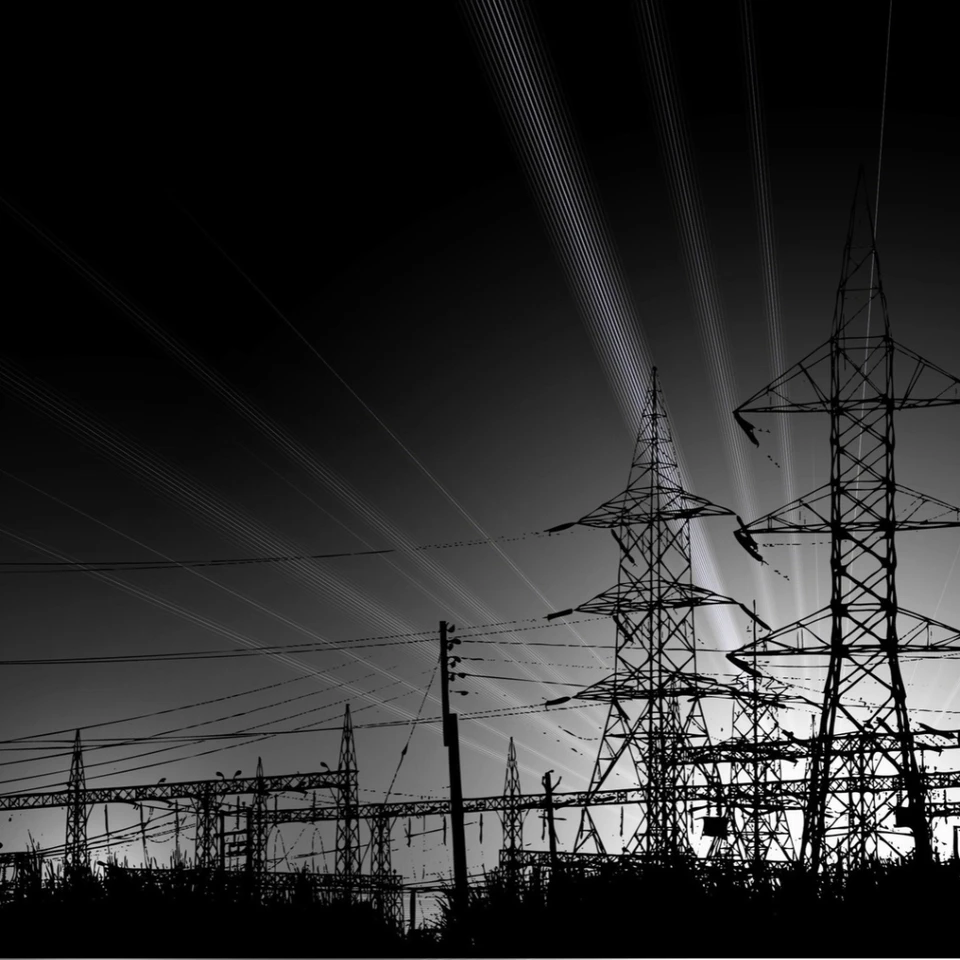
Prepping for an AI disruption takes the same two things as any emergency: gear for the first couple weeks, and skills for everything after. No matter which AI scenario happens, you’re left with a technology blackout. Not just the lights. The power, the pumps, the card readers, the phones, and the information you’d normally trust, all out at once, and nobody coming for a while.
Everybody wants to talk about AI. Is it taking jobs? Is it going, Terminator? Is it coming for us? Nobody’s talking about surviving it.
So how do you prepare for that? The same way you'd prepare for a storm, and that is the easy part. We tell anyone building a kit for any storm: a ferro rod doesn’t start a fire; you do. Gear is good; skills are required.
What do you actually need for the first couple of weeks?
The same emergency kit that gets you through a blackout or an ice storm.
- Pumps don’t run without power, and a generator’s no good without fuel. Keep military 5-gallon fuel cans filled and your tank above half.
- A gallon per person per day. Military 5-gallon water cans stack, and once those are empty, you need a way to make more drinkable. A filter for the pumping, purification tablets or bleach as backup, and a pot to boil in when you’re not sure.
- First aid. An IFAK with a tourniquet, gauze, and a pressure bandage. Plus whatever prescriptions your household can’t skip, because the pharmacy is a card reader too.
- MREs are built for this. No cooking, no refrigeration; eat them cold out of the pouch if you have to. From Army Navy Outdoors sales data, October 2025 through September 2026: MREs went out in 5,425 orders.
- More than one way to make it. Lighters, stormproof matches, and a ferro rod that works wet.
- Chem lights, headlamps, and flashlights. A headlamp beats a flashlight when you’re working, because it leaves your hands free, and chem lights don’t need batteries at all. Spare batteries for the rest.
- Fleece, thermals, a wool watch cap, and a layering system you can add to or strip down as the weather turns. Cotton doesn’t belong in any of it.
- A bag. A MOLLE II ruck or a duffel, packed and staged by the door. Not a pile of gear in the garage. We’ve written up which bag to pick, how to pack it, and how much weight to actually carry.
- Cash, a local map, your documents, and a first aid manual.
- A hand-crank or battery radio with NOAA weather. When phones and the internet are down, it's how you find out what's going on.
- A two-way radio for family communication when everything else is down. GMRS two-way radios are good for a family; just pick a channel everyone knows. It’s more powerful than a hand walkie-talkie but, by law, needs a cheap FCC license. It works because they do not need towers
What happens when the kit runs out?
Now you need skills, and that’s the part most people don't prepare for.
Most people we help can get fully set up for basic power outages and storms with gear that really works for around $500 to $1,000. Serious preppers choose to spend thousands. Either way, plenty of them spend it all on gear and not a single afternoon learning how to use it. We see it all the time. People buy the stuff, bag it, stick it in a closet, and never touch it again. A water filter still in the package. A ferro rod nobody’s struck.
We see about 7,342 orders a year for emergency gear and over 120,000 MREs. A fire starter, first aid kit, or compass is only worth anything if you can use one.
What skills can’t you learn after the grid goes down?
Anything you’d normally search for. Once the grid is down, you need to rely on printed books and your own knowledge.
Fire without a lighter. Ferro rod, bow drill, whatever you’ve practiced. In the rain, with cold hands, using wood you found, not the dry kindling off your porch.
Water. Where to find it, how to filter it, how to boil it, how long. How to store it so it’s still good in a month.
Cooking on a fire. Not a gas grill. An actual fire, with wood coals, and knowing how to keep one going through the night without burning through your wood.
Stopping bleeding. Direct pressure, packing a wound, a tourniquet you’ve actually put on a limb. This is the one that’ll save somebody and the one people practice least. From Army Navy Outdoors sales data, October 2025 through September 2026: 327 orders included a tourniquet holder or pouch, and 138 included an actual tourniquet. If you’ve got a holder, make sure there’s a tourniquet in it, and that you’ve put it on at least once.
Map and compass. Finding where you are and getting somewhere else when the blue dot is gone.
Food. Growing it, hunting it, cleaning it, putting it up so it keeps. This one takes seasons, not a weekend, so it’s the one to start earliest.
Fixing things. Hand tools and no parts store. Patching gear, sharpening a blade, keeping what you have running.
Power. Make a little, store it, and know what’s worth spending it on.
Are we training ourselves out of the basics?
Yes. Not because tech is bad. Learn it, work in it, use it all day. We do.
The problem is when that’s all we know. We point kids toward coding and engineering, which makes sense, but many of them have never built a fire, cleaned a fish, or slept outside without a phone. Plenty of adults are the same. People used to pass that knowledge down. Now most of it doesn’t.
Where should you start?
- Get the kit together first. It covers what’s most likely to happen, AI or not.
- Pick one skill a month and do it outside and learn it
- Print what you’d normally look up. Put it in a folder and waterproof in a SealLine
- Use your gear before you need it. A ruck you’ve never carried is a guess. We cover that in Living With the System.
The questions we get most
Should I be afraid of AI? Yes and No. Maybe not the movie version; we have no idea. Worry about what you can account for; the guess is that AI will play some part. Any disruption can cause power outages, water pumps to fail, and credit cards and banks to go dead. Prep for that and the cause doesn’t matter.
How do I prepare for an AI disruption? Two parts. A couple of weeks of gear, same as any blackout. Then skills you can use without a screen, because you can’t look anything up on a system that’s down.
Is AI prep different from regular emergency prep? Not really. Same emergency kit, same skills. The only difference worth planning around is that it could last longer and reach farther than a storm.
What survival skills should I learn if technology fails? Fire without a lighter, finding and treating water, cooking over a fire, stopping bleeding, map and compass, growing and preserving food, hand-tool repair, and basic power. Start with fire and bleeding control. They’re fastest to learn and most likely to matter.
Can I rely on offline AI in an emergency? As a backup, sure. As the plan, no. It needs power, and it’s only useful if you trust the answer.
If you’re putting a kit together and want a second opinion on what’s worth buying, call or email us. We’ll tell you what to skip, too.
MILITARY GEAR GUIDES
How to Prepare for an AI Disruption
Prepping for an AI disruption takes the same two things as any emergency: gear for the first couple...
Army Navy Outdoors: A Genuine Military Surplus Online Store
Revised October 2026 Army Navy Outdoors is a military surplus store. Not a tactical brand. We buy g...
How to Ship to a Military Base Address and not get it returned
This guide comes from our experience and frustration fixing countless addresses, so it gets to the p...
Can You Use Surplus FR Clothing for Fire Resistant Work?
Most people asking about surplus FR want to know one thing: can I wear this instead of paying three...

ACU Camo (UCP): Why the Army's Most Hated Pattern Is the Best Value in the Surplus Bin
This is the ugliest camo the Army has ever fielded. It's also one of the best values on our shelf. H...
Surplus Ammo Cans: What the Rust Means and How to Check One Before You Buy
Every surplus store sells ammo cans, and every prepper and shooter buys them. So most of what's writ...