
How to Verify Genuine USGI Military Surplus Before You Buy
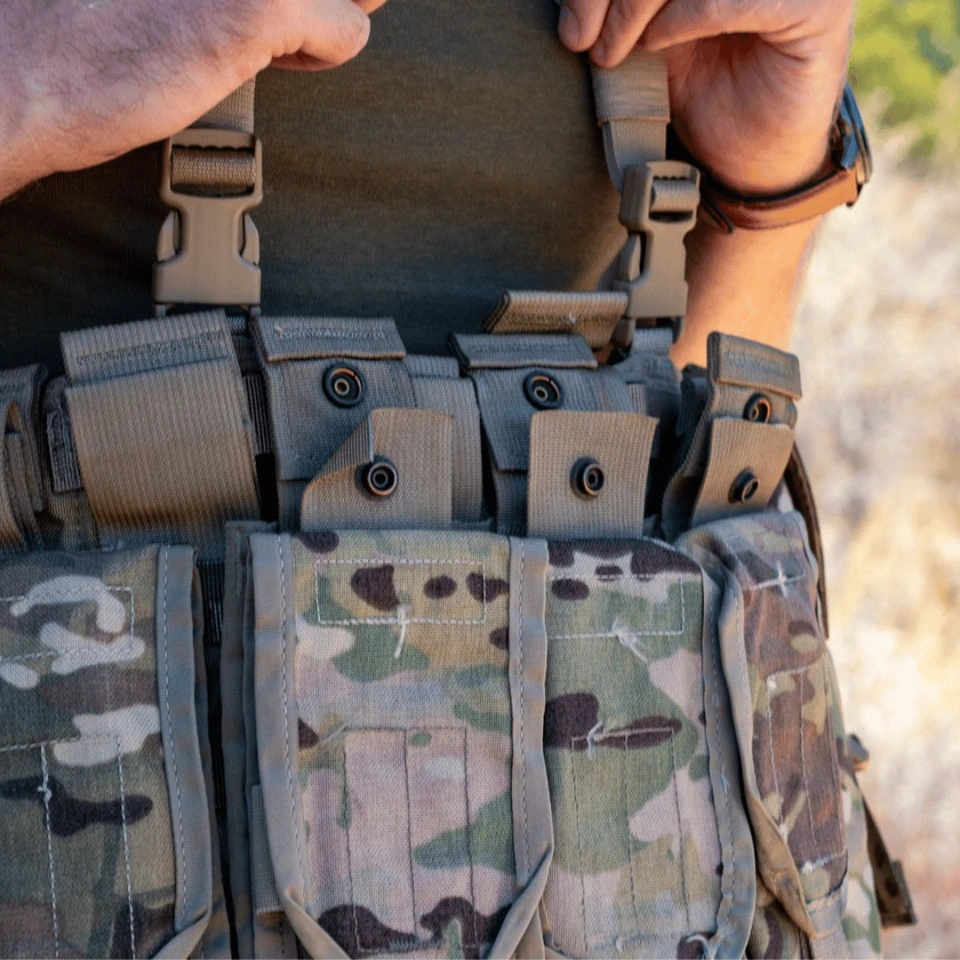
Genuine USGI military surplus is gear made under a U.S. government contract and issued through the federal supply system. Olive drab color, MOLLE webbing, or an NSN on a tag doesn't prove it. Contract numbers, CAGE codes, construction details, and a seller who can explain where the item came from do.
Key Takeaways
- Genuine USGI describes origin: government contract production and federal issue. Color and styling don't decide it.
- An NSN identifies an item type in the federal catalog. It doesn't prove this specific piece was ever government-procured.
- Labels are the cheapest part of a piece of gear to copy. Fabric, stitching, and hardware cost real money to replicate.
- A condition grade means something only when a person physically handled the item and can describe what they found.
- Army Navy Outdoors sells certified, inspected, and graded surplus backed by a lifetime warranty, shipped nationwide.
What Does "Genuine USGI" Actually Mean?
If you're buying surplus without knowing the vocabulary, you're guessing. Listings blur three terms that describe three different things.
Genuine USGI means the item was produced under a government contract and issued to service members. That history separates real issue gear from everything else.
Mil-spec is a performance standard. Any manufacturer can build to it without a government contract, so a commercial pack can meet a spec and never have been issued to anyone.
Military-style describes appearance only. It tells you nothing about materials, construction, or origin.
Commercial outdoor gear is built around a retail price point. Issue gear was specified for conditions where failure has consequences, and the difference shows up in the seams first.
What Does an NSN Actually Prove?
A National Stock Number is a 13-digit identifier assigned to an item type in the federal supply catalog. Canteens, sleeping bags, and every military medical kit carry one.
The weakness is that NSNs are public. Anyone can look up the number for a real military item and print it on a commercial knockoff. The number tells you what an item is supposed to be. It can't tell you where this one came from.
When a seller's entire authenticity argument is an NSN, you've been handed a starting point. The contract number, the manufacturer's CAGE code, and the sourcing story carry the weight.
Where Are the Real Authentication Markings?
Real issue equipment carries markings tied to an actual procurement.
Contract numbers are stamped, stenciled, or printed on the item or its original packaging. Compare the format against other issue items of the same type and era.
CAGE codes are five-character identifiers assigned to government contractors, and you can search them in the SAM.gov database. If a code returns no manufacturer, or a company with no defense work, you need an explanation before you pay.
Lot numbers and manufacture dates appear on packaged goods such as rations, medical supplies, and surplus ammo cans. They tie an item to a production run, which helps you judge age and storage history.
Manufacturer labels on clothing and load-bearing gear usually list a contract number, NSN, manufacturer, and size. Copies often drop fields or carry contract numbers that look wrong beside genuine examples. Layout varies by item type and era, so compare it against a known-good piece when you can.
Why Can't a Label Alone Authenticate Surplus?
A convincing label costs almost nothing to print. Construction is expensive to fake because it demands the same fabric, tooling, and standards.
Consider two MOLLE packs that look identical in photos. One uses heavy Cordura nylon with bar-tacked stress points. The other uses lighter fabric with fewer stitches where the shoulder straps meet the pack body. Nothing on screen separates them. Load either with real weight and the lighter seam starts to pull, usually on the trip you can least afford it.
When you can handle an item, check these:
- Stitching density. Start at stress points, because that's where copies save thread.
- Hardware. Genuine buckles and snaps feel dense and resist flexing.
- Seam finishing. Bar tacks and box stitches hold at load points. Plain straight stitching lets go earlier.
- Weight. Issue gear often feels heavier than it looks, because the materials were specified for abuse.
How Does Certified Surplus Compare to Buying Blind?
|
Factor |
Certified surplus from Army Navy Outdoors |
Buying without verification |
|
Origin |
Genuine USGI, U.S. surplus |
Brand name only, no paper trail |
|
Inspection |
Inspected and graded before it ships |
Unknown condition, vague description |
|
Warranty |
Lifetime warranty |
Often none |
|
Cost of a bad outcome |
Known grade, known condition |
Replacement cost plus the hunt, trip, or emergency it failed on |
|
Your effort |
Read the grade description and order |
Decode labels and hope |
The expensive mistake is rarely the purchase price. It's the strap that gives out mid-hunt, or the emergency kit you find out you can't trust when you need it. Sorting out authenticity after purchase is the costliest option.
Why Does Documented Sourcing Matter Most?
Most buyers skip this step, and it's where authentication really happens. A seller who knows where an item came from can describe its condition in concrete terms and stand behind it.
Army Navy Outdoors sells certified military surplus, and grading is central to how it presents that gear. Inspection and grading are what make a lifetime warranty workable, because you can't warrant what you haven't verified. The standard runs across the catalog, from military cots and bunk beds to load-bearing gear like the U.S. issue MOLLE waist pack.
The same standard applies outside retail. Army Navy Outdoors has shipped more than 20,000 combat medical kits through NGOs to Ukraine, Israel, and other war and disaster regions, along with MREs, bunk beds, and cots. Relief operations can't afford equipment they can't rely on.
A grade is a human judgment on used equipment, and it has limits. Decades in storage can affect rubber, adhesives, and fabric coatings in ways a specification sheet can't predict. Read the grade description, not just the letter, and ask what the inspector found.
If you're assembling a bug-out bag or field kit, vet each item one at a time. The U.S.-made gear section and the gear learning center give you specifications to check against what arrives.
What Should You Ask Before Any Surplus Purchase?
- Can the seller name where the item came from?
- Is there a contract number on the item or packaging?
- Does the CAGE code return a real contractor in SAM.gov?
- Does the seller explain procurement history beyond an NSN?
- Was the item inspected and graded, and can the seller describe the grade specifically?
- Do materials, stitching, and hardware match issue construction?
- What does the warranty actually cover?
A seller who answers all seven plainly is selling genuine surplus. One who points to an NSN and a photo is selling something else.
FAQs
How is genuine USGI different from mil-spec gear?
Mil-spec is a performance standard any manufacturer can build to. Genuine USGI means the item was made under a government contract and issued through the federal system. A product can meet a spec and have no government history.
Can a seller call gear "military surplus" if it isn't genuine USGI?
Terms like "military style" appear on plenty of commercial products, and listings often blur the line. Ask for contract numbers, CAGE codes, and sourcing details before you buy.
What does a condition grade on surplus mean?
A grade describes the item's physical state at inspection. It's reliable only when someone handled the item and can explain specifically what they found.
Is used genuine USGI gear better than new commercial tactical gear?
For durability, often yes. Government contracts specify materials and construction that many retail brands don't build to. A graded item with a known origin usually beats new gear with no history, though you should still reject a badly worn item.
How do I know a seller's inventory is real military surplus?
Ask for specifics. A legitimate dealer can explain how they source, inspect, and grade items. Vague references to "military sources" are a warning sign.
Does USGI gear have real advantages for hunting and outdoor use?
Yes. Slings, accessories, cases, and load-bearing gear built to issue standards can handle more abuse. That shows after seasons of use, not on day one.
What if I already bought gear I can't authenticate?
Look for a contract number, run any CAGE code through SAM.gov, and compare hardware weight and stitching to known issue items. If the seller can't answer sourcing questions, you have your answer. Next time, ask before you pay.
Get Genuine USGI Gear Before the Season Gets Ahead of You
Hunting season, cold nights, and emergencies don't wait for you to sort out a bad purchase. Browse the Army Navy Outdoors catalog, read the grade on the pack, kit, cot, or boots you need, and order gear that was inspected before it left the building. Lifetime warranty on certified items. Free shipping on orders over $100, delivered anywhere in the U.S.
About the Author: Peter is the founder of Army Navy Outdoors, a genuine military surplus store supplying inspected, graded U.S. surplus to veterans, hunters, preppers, and relief operations.
MILITARY GEAR GUIDES
How to Verify Genuine USGI Military Surplus Before You Buy
Genuine USGI military surplus is gear made under a U.S. government contract and issued through the f...
Military Surplus Gift Ideas by Activity: Genuine USGI Gear and the Grade to Choose
The best military surplus gift matches what the person actually does: camping, hunting, cold-weather...
Understanding Military Surplus Grading: What Do New, Grade 1, 2 and 3 Mean?
One of the unique aspects about military surplus gear is that each item may show different wear. All...

How to Prepare for an AI Disruption
Prepping for an AI disruption takes the same two things as any emergency: gear for the first couple...
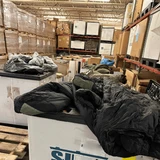
Army Navy Outdoors: A Genuine Military Surplus Online Store
Revised October 2026 Army Navy Outdoors is a military surplus store. Not a tactical brand. We buy g...
How to Ship to a Military Base Address and not get it returned
This guide comes from our experience and frustration fixing countless addresses, so it gets to the p...